Lifestyle
Plant App
Plant Care Application
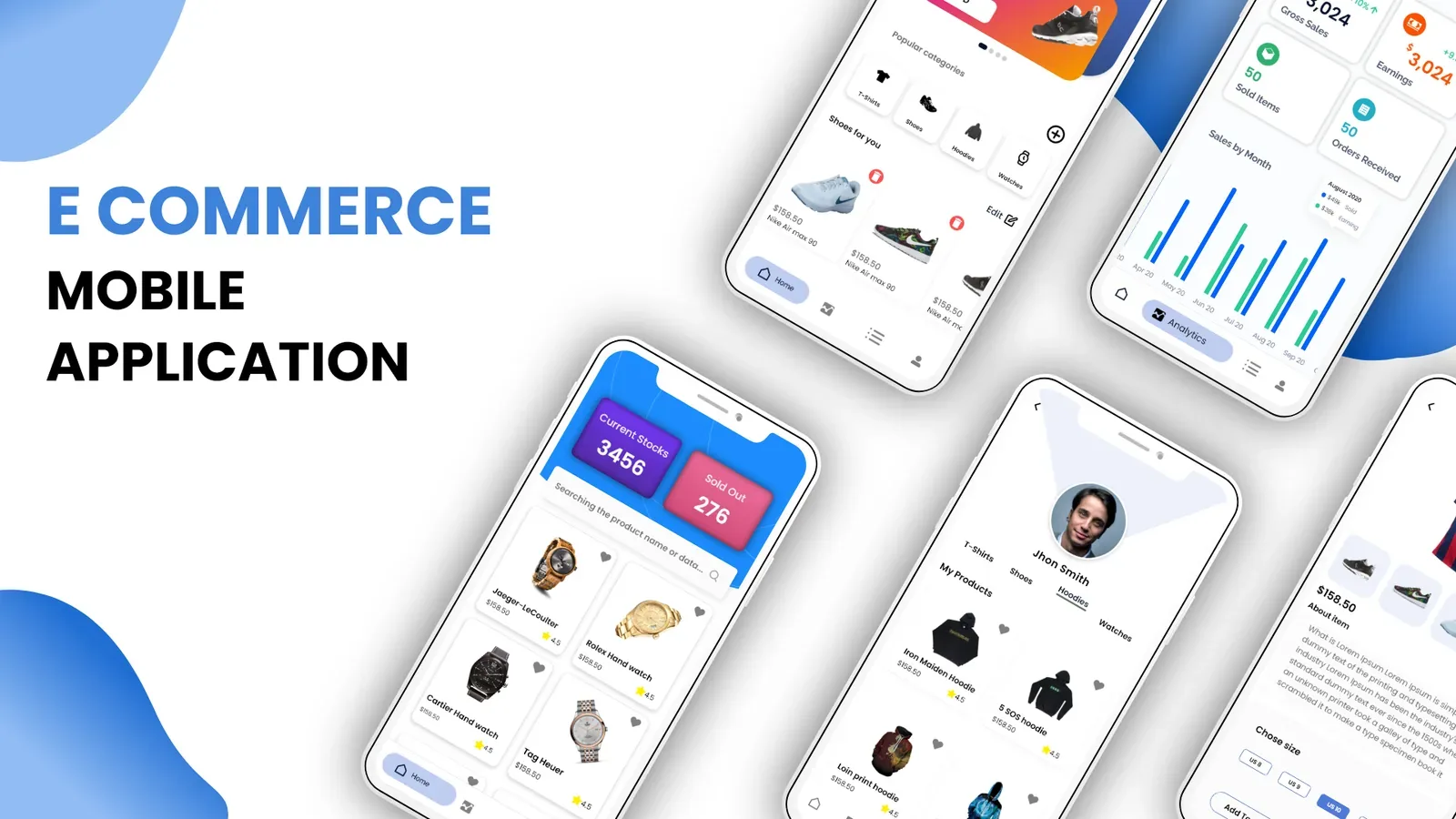
Watch the product walkthrough
Open a dedicated video page to watch this project in action.
About this project
Plant App is a custom product designed, developed, tested and deployed by our team, with the source code and accounts handed over to the client.
A plant care application: reminders, care schedules and plant records. Reminder-driven apps are deceptively hard: the value is entirely in notifications firing at the right moment, on a platform actively trying to save battery by not firing them.
What a build like this covers
- Plant records with species, location, photos and care history
- Watering and feeding schedules that adapt to season
- Local notification scheduling that survives reboot and app updates
- Care log so a missed watering is recorded rather than silently skipped
- Photo timeline per plant
What we watch for in lifestyle work
Notification delivery is tested against Android battery optimization and iOS scheduling limits explicitly. An app whose reminders arrive late is worse than no reminder app at all.
Stack
We build lifestyle products in Flutter and native Android and iOS on the client, with Node.js and NestJS services behind them, TypeORM over PostgreSQL or MySQL where the data is relational, MongoDB where it is not, and Firebase for authentication, push and analytics. Web panels are React. The choice follows the product. We do not start from a template and bend the requirements to fit it.
How we work
Every project starts with a written scope and screen list, moves through design and iterative development with regular demos, and ends with testing on real low-end devices before release. Clients own their code, repositories and store accounts. Where it adds genuine value, we integrate AI features (assistants, document extraction, recommendations) rather than bolting them on for show.