Mobile App
BARBER AND SALOON
Appointment and Booking App
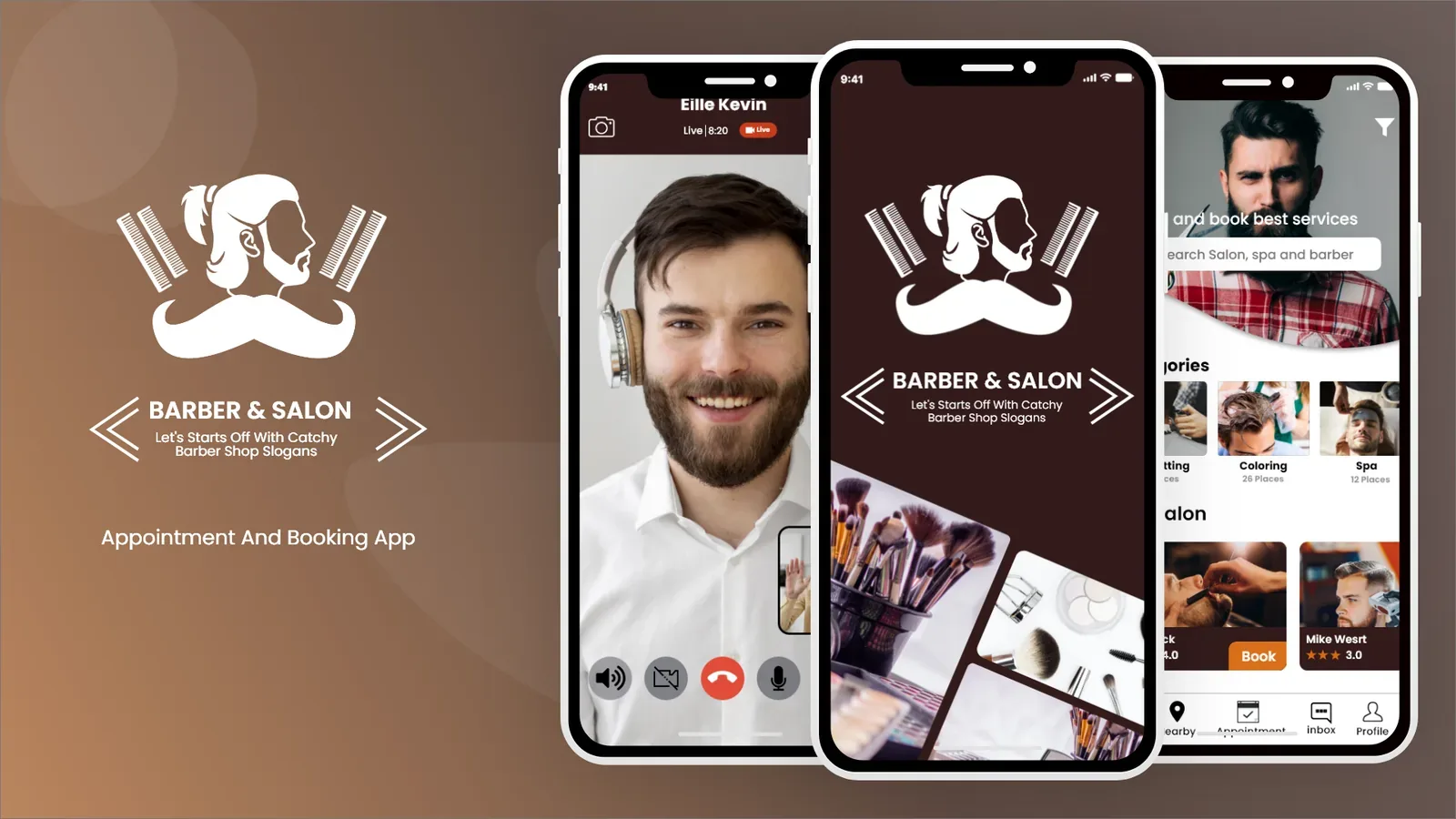
About this project
BARBER AND SALOON is a cross-platform mobile application built for both Android and iOS from a single codebase, with a backend, admin panel and store deployment handled by our team.
An appointment and booking app for barbers and salons, where the whole business runs on a calendar. A customer picks a shop, a service and a stylist, sees the slots that are genuinely free, and books. The shop side is the harder half: a chair that is double-booked costs a walk-in, so availability has to be correct at the moment of tapping, not a minute later.
What a build like this covers
- Service catalogue with per-service duration and price, so slot length follows the service rather than a fixed 30 minutes
- Staff-level availability: working hours, breaks, days off, and per-stylist service lists
- Booking flow with slot locking, so two customers cannot claim the same chair while both are on the confirm screen
- Reschedule and cancellation windows, plus a no-show marker the shop can act on
- Push and SMS reminders ahead of an appointment
- Owner dashboard: day view, week view, staff utilization, and a simple revenue summary
What we watch for in mobile app work
Booking apps live or die on timezone and clock handling. Slots are stored in UTC and rendered in the shop’s local time, and every write is validated server-side. A client-side availability check is a suggestion, not a guarantee.
Stack
We build mobile app products in Flutter and native Android and iOS on the client, with Node.js and NestJS services behind them, TypeORM over PostgreSQL or MySQL where the data is relational, MongoDB where it is not, and Firebase for authentication, push and analytics. Web panels are React. The choice follows the product. We do not start from a template and bend the requirements to fit it.
How we work
Every project starts with a written scope and screen list, moves through design and iterative development with regular demos, and ends with testing on real low-end devices before release. Clients own their code, repositories and store accounts. Where it adds genuine value, we integrate AI features (assistants, document extraction, recommendations) rather than bolting them on for show.